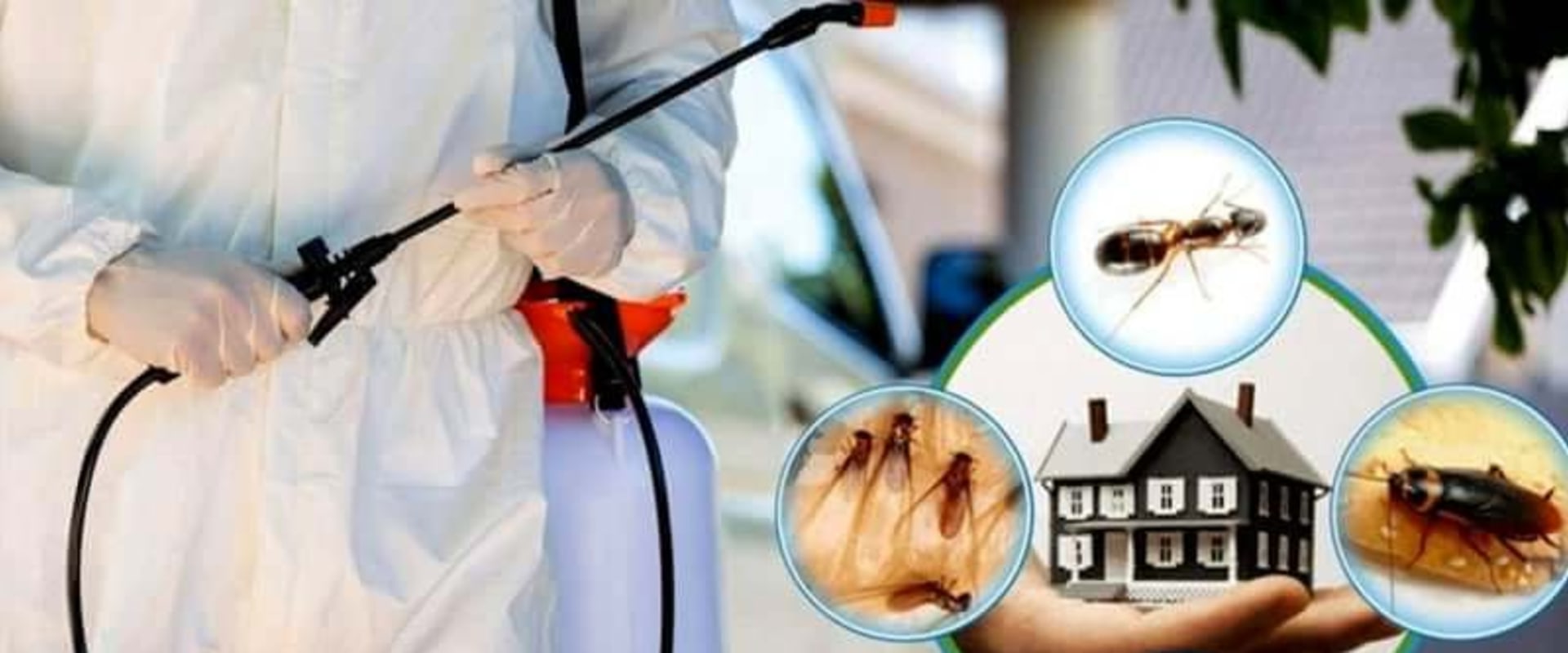
Art studios are places of creativity and expression, but they also house valuable materials that can be vulnerable to damage if not properly protected. From canvases and paper to fabrics and wood, many artistic materials are susceptible to pests such as insects and rodents. Without effective pest control, these unwanted intruders can compromise both the workspace and the artwork itself. Maintaining a clean and controlled environment is essential for preserving the integrity of materials and ensuring that artists can focus on their craft without disruption.
Safeguarding Materials and Artwork
Many art supplies are made from organic materials that attract pests. Paper, wood, and textiles can be particularly appealing to insects like silverfish and termites, while rodents may chew through stored items and packaging. Once infestations occur, the damage can be irreversible, leading to the loss of valuable artwork and supplies. Implementing effective pest control measures helps prevent these issues by creating an environment that discourages infestations. Services such as pest management in Sacramento provide specialized solutions tailored to protect sensitive materials, ensuring that studios remain safe and functional.
Maintaining Clean and Organized Workspaces
Cleanliness is a key factor in preventing pest problems in art studios. Dust, leftover food, and clutter can attract pests and provide them with places to hide. Regular cleaning routines, proper storage of materials, and organized workspaces help reduce the risk of infestations. Sealing containers, disposing of waste promptly, and keeping floors and surfaces free of debris are simple yet effective steps in maintaining a pest-free environment. By prioritizing cleanliness, artists and studio managers can create a space that supports both safety and productivity.
Preventing Structural and Equipment Damage
Pests do not only affect materials—they can also damage the structure and equipment within an art studio. Rodents may chew on electrical wiring, creating fire hazards, while insects can weaken wooden furniture and storage units. These issues can disrupt operations and lead to costly repairs. Regular inspections and preventative measures help identify potential problems early, allowing for timely intervention. Protecting the studio’s infrastructure is just as important as safeguarding the artwork itself, ensuring that the entire space remains functional and secure.
Supporting a Healthy and Comfortable Environment
A pest-free studio contributes to a healthier and more comfortable working environment. Pests can carry allergens and bacteria that affect air quality and pose health risks to artists and visitors. By implementing effective pest control strategies, studios can maintain a clean and safe atmosphere that promotes well-being. This is particularly important in shared studio spaces, where multiple individuals rely on a hygienic environment to work effectively. A well-maintained studio enhances both physical comfort and creative focus.
Preserving Creativity Through Prevention
Ultimately, pest control plays a vital role in protecting the creative process. By preventing infestations and maintaining a clean, organized space, artists can focus on their work without worrying about damage or disruption. Proactive measures, including regular inspections and professional pest management, ensure that studios remain safe and conducive to creativity. Protecting art studios and materials is not just about maintenance—it is about preserving the tools and environments that make artistic expression possible.